


Stay or Sell? Aging in Place Guide for Charlotte Seniors 2026
For many homeowners, there comes a point when a question quietly begins to surface:
"Can I stay in this home for the rest of my life — or would moving actually make more sense?"
It rarely arrives as one big moment. More often, it shows up in small ones. The stairs feel a little steeper than they used to. The yard takes more out of you on the weekend. Maintaining a larger home starts to feel like a second job. Or maybe you are simply starting to think about what the next chapter of your life should actually look like.
If any of that sounds familiar, you are not alone.
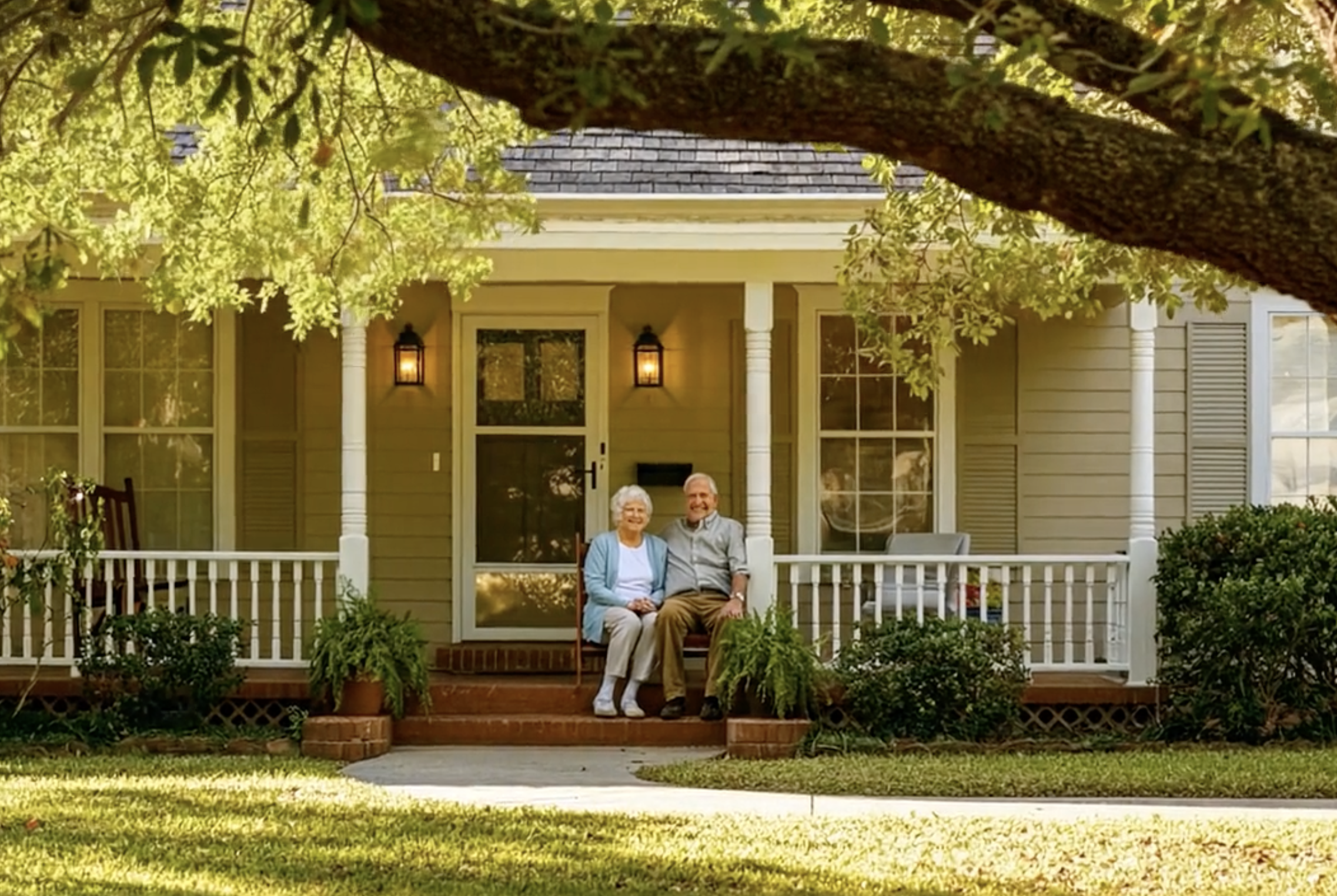
Nearly 90% of adults age 65 and older prefer to remain in their homes as they age, according to research from the USC Leonard Davis School of Gerontology. The comfort of familiar surroundings, established friendships, and decades of cherished memories make aging in place an understandable and appealing choice.
But here is what most people do not hear enough: there is no single right answer. Some homeowners thrive in their longtime homes for decades with thoughtful planning. Others discover that moving provides greater comfort, freedom, and peace of mind than they ever expected.
The key is understanding your options before a decision is made under pressure.
Why So Many Homeowners Choose to Age in Place

Home is about far more than square footage.
It is where birthdays were celebrated, holidays were shared, children were raised, and a life was built. Leaving a home full of those experiences can feel overwhelming — even when that home no longer perfectly fits your lifestyle.
There is also the comfort of community. Most longtime homeowners already know their neighbors, their healthcare providers, their favorite local spots, and the rhythms of their neighborhood. Maintaining those routines often contributes directly to a greater sense of independence and well-being.
For all of these reasons, aging in place remains the preferred choice for millions of older adults.
But there is an important distinction worth making: wanting to stay and being prepared to stay are two very different things.
Can Your Home Support You for the Next 10 to 20 Years?
One of the most valuable things you can do right now is honestly evaluate whether your current home will continue to meet your needs as life changes.
Ask yourself:
Are there multiple flights of stairs you navigate every day?
Is your primary bedroom located upstairs?
Could you comfortably use your bathrooms if mobility became more limited?
Are doorways wide enough if mobility equipment were ever needed?
Is your laundry room easily accessible?
Is outdoor maintenance becoming more physically demanding?
Can you enter your home easily without navigating steep steps?
These questions are not meant to be alarming. They are simply designed to help you think ahead — because planning early almost always means more flexibility, lower costs, and significantly less stress later on.
Home Improvements That Support Aging in Place
Many homes can be thoughtfully adapted to support long-term, comfortable living. The scope of those improvements varies widely — from small weekend projects to major renovations.
Simple Updates
Even minor modifications can make a meaningful difference in daily safety and comfort:
Installing grab bars in bathrooms and showers
Improving lighting throughout the home
Replacing round doorknobs with lever-style handles
Adding non-slip flooring or area rugs
Installing a smart doorbell or security system
Moderate Improvements
As needs evolve, many homeowners consider:
Walk-in showers or roll-in shower conversions
Wider doorways for easier navigation
Improved stair railings
Lower kitchen storage and counter solutions
Better exterior walkways and entry access
Major Renovations
Some situations call for larger investments, such as:
Creating a first-floor primary suite
Full bathroom remodels for accessibility
Floor plan reconfigurations
Wheelchair ramps or stair lifts
Expanding living space for a caregiver or multigenerational living arrangement
While these projects require a greater upfront investment, they can allow homeowners to enjoy their home comfortably for many additional years — and in some cases, meaningfully increase resale value as well.
Understanding the Financial Side of Aging in Place
Before beginning any renovation, it is worth understanding both the costs and the potential return.
Some homeowners budget for improvements gradually over several years. Others may leverage home equity or explore financial assistance programs specifically designed to help older adults fund accessibility upgrades.
It is also worth asking honestly: will this improvement add value to my property, or will it primarily serve my personal needs? Both are valid reasons to renovate — but the answer affects your long-term financial planning.
This is where working with an experienced real estate professional makes a real difference. As a certified Seniors Real Estate Specialist (SRES®), Joslyn Blackburn helps homeowners evaluate not just today's market value, but how planned renovations may affect long-term return. Whether you intend to stay for many years or sell eventually, having that context helps you make smarter financial decisions today.
When Selling May Be the Better Choice
Aging in place is the right choice for many people — but not for everyone. Sometimes the home that once made life easier gradually becomes the thing that makes life harder.
Common signs that it may be time to consider selling:
Home maintenance feels consistently overwhelming
Yard work has become physically demanding or unsafe
Multiple levels make daily living genuinely more difficult
Unused rooms are adding cost without adding value
Major repairs keep surfacing one after another
Family members have moved further away
Access to healthcare or community services is limited from your current location
In many cases, the decision to move is not about giving something up. It is about gaining something better — a simpler, more manageable lifestyle that fits who you are today.
Downsizing Does Not Mean Downsizing Your Quality of Life
Many homeowners assume that moving means sacrificing comfort. In practice, the opposite is often true.
A well-chosen smaller home can mean:
Less maintenance and fewer repairs
Lower utility and property tax costs
Easier cleaning and upkeep
More accessible floor plans designed for long-term living
Greater flexibility to travel, spend time with family, and pursue hobbies
Some seniors choose single-level ranch-style homes for the simplicity of one-floor living. Others prefer low-maintenance condos or active adult communities that offer built-in amenities, social programming, and neighbors in the same season of life.
The right move looks different for everyone. What matters is that it works for you.
Questions to Ask Before Making Your Decision
If you are still weighing your options, here are six questions worth sitting with:
Does my current home genuinely support the lifestyle I want for the next 10 to 20 years?
Can I comfortably afford future maintenance, repairs, and potential renovations?
Would targeted renovations meaningfully improve my quality of life here?
Would a different home better meet my actual needs right now?
Am I close to the people and services that matter most to me?
Which option gives me the greatest sense of peace and security?
There are no perfect answers. The goal is simply to make a thoughtful, informed decision — on your timeline, not someone else's.
How an SRES® Can Help You Plan with Confidence
Every homeowner's situation is unique, especially during a major life transition. That is why working with a specialist matters.
The SRES® (Seniors Real Estate Specialist) designation is awarded by the National Association of REALTORS® to professionals who have completed specialized training in the financial, emotional, and practical considerations that come with buying or selling a home later in life.
As a certified SRES® serving Charlotte and the surrounding areas, Joslyn Blackburn can help you:
Evaluate your home's current market value
Compare the true costs of remodeling versus moving
Identify which improvements offer the strongest return on investment
Explore housing options that better align with your long-term goals
Create a personalized plan based on your timeline and priorities
Her goal is not to convince you to move. It is to help you make the decision that genuinely best supports your lifestyle, finances, and future.
Final Thoughts: Start the Conversation Before It Becomes Urgent
There is no one-size-fits-all answer to the question of whether you should stay or sell.
For some homeowners, a few thoughtful updates allow them to comfortably enjoy their home for many more years. For others, making a move creates greater freedom, far less stress, and a lifestyle that fits the next chapter far better than the current one.
What matters most is starting the conversation before a decision becomes urgent — because when you have time on your side, you have options.
Wondering If Your Home Is the Right Fit for the Years Ahead?
I would be honored to help you think it through.
I'm Joslyn Blackburn, a certified Seniors Real Estate Specialist (SRES®) with Gold Key Real Estate Group, powered by Keller Williams — serving buyers and sellers across Charlotte and the surrounding areas.
Whether you are exploring aging in place, considering renovations, or starting to think about what a move might look like, let's have an honest conversation about your options.
Schedule a Free Consultation →
Joslyn Blackburn is a licensed real estate agent in NC and SC, a certified Seniors Real Estate Specialist (SRES®), and founder of Gold Key Real Estate Group powered by Keller Williams. She serves the greater Charlotte area including Concord, Huntersville, Ballantyne, Matthews, and surrounding communities.